

The Power of Play: How Playtime Shapes Children’s Cognitive and Emotional Development
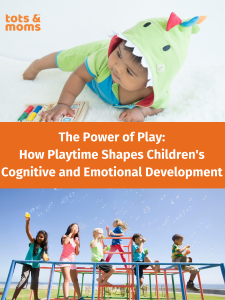
Playtime is not just about fun and games; it plays a crucial role in shaping a child’s cognitive and emotional development. Children are naturally inclined to explore and interact with the world around them by birth. As parents and caregivers, it is essential to understand the significance of play and provide opportunities for children to engage in it.
Cognitive and emotional development in children refers to the growth and progress of their thinking and understanding abilities, as well as their emotional and social skills. Cognitive development involves the acquisition of knowledge, problem-solving abilities, and the development of memory and attention. Emotional development focuses on the child’s ability to recognize and regulate their emotions, as well as their understanding of other’s emotions and the development of empathy. These two aspects of development are closely intertwined and play a crucial role in shaping a child’s overall development and well-being.
The Role of Playtime in Cognitive Development
Different types of play contribute significantly to cognitive development. Imaginative play, where children engage in make-believe scenarios and use their imagination to create new worlds and characters, helps develop their creativity, problem-solving skills, and social interactions. Constructive play, which involves building and creating with blocks, puzzles, or other materials, enhances their spatial awareness, fine motor skills, and logical thinking. Games, whether board games, card games, or physical activities, promote strategic thinking, decision-making, and the ability to follow rules. Each type of play offers unique benefits and should be encouraged to support a child’s cognitive growth.
Benefits of Playtime for Emotional Intelligence, Empathy, and Social Skills
- Emotional Intelligence: Playtime provides children with the opportunity to explore their emotions and develop emotional intelligence. Through imaginative play, children can act out different scenarios and learn to identify and express their feelings. This helps them understand their own emotions and develop empathy towards others.
- Empathy: Playtime allows children to put themselves in others’ shoes and understand different perspectives. Whether it’s playing a role in a pretend scenario or engaging in cooperative play with others, children learn to consider the feelings and needs of their playmates. This fosters empathy and promotes positive social interactions.
- Social Skills: Playtime provides a natural setting for children to practice and develop important social skills. Whether it’s negotiating and problem-solving during a game or taking turns in a group activity, children learn how to interact with others, communicate effectively, and cooperate as a team. Engaging in play activities helps release endorphins, which are natural stress-relieving hormones. This can help reduce feelings of anxiety and promote a sense of relaxation.
- Emotional Expression: Play provides a safe and non-judgmental space for individuals to express their emotions. It allows for the exploration of different feelings and encourages emotional release.
- Social Connection: Play often involves social interaction, which can foster a sense of connection and belonging. This can positively impact emotional well-being and help manage stress by providing support and understanding.
Play has the power to regulate emotions and manage stress by providing an outlet for expression, promoting relaxation, and fostering social connections. Incorporating play into our lives can be a valuable tool in maintaining emotional balance and overall well-being.
Playtime is a crucial aspect of a child’s development and can have a significant impact on their emotional well-being and self-esteem. For example, engaging in imaginative play allows children to explore their creativity and problem-solving skills, boosting their confidence and sense of accomplishment. Additionally, participating in team sports or group activities promotes social interaction, teamwork, and cooperation, fostering a sense of belonging and acceptance. Moreover, active play, such as running or dancing, releases endorphins, the body’s natural feel-good chemicals, leading to increased happiness and overall positive emotional experiences. Playtime provides children with a platform to express themselves, build relationships, and develop a positive self-image.
Unstructured Playtime

Unstructured playtime is crucial for promoting independent thinking and decision-making skills in children. During unstructured play, children have the freedom to explore their own interests, create their own rules, and make their own decisions. This fosters creativity, problem-solving abilities, and critical thinking skills. Without the constraints of adult-directed activities, children learn to think for themselves, take risks, and develop resilience. They learn to negotiate and compromise with their peers, enhancing their social and emotional skills. Unstructured playtime allows children to develop their own unique perspectives and learn from their own experiences, ultimately empowering them to become independent and confident individuals.
Free Play
Free play is an essential component of a child’s development as it fosters curiosity, exploration, and self-discovery. By allowing children to engage in unstructured play, they have the freedom to follow their own interests and take risks. This encourages a sense of curiosity, as they are encouraged to explore their surroundings and discover new things on their own. Free play also promotes self-discovery, as children learn to navigate challenges and solve problems independently. Free play provides children with the opportunity to develop important skills, such as creativity, problem-solving, and self-confidence, that will benefit them throughout their lives.
Examples of Unstructured Play Activities for Cognitive and Emotional Development
- Imaginative Play: Encourage children to engage in imaginative play by providing open-ended toys such as dolls, action figures, or building blocks. This type of play allows children to explore different roles, scenarios, and emotions, fostering their cognitive and emotional development.
- Outdoor Exploration: Encourage children to spend time outdoors exploring nature. This can involve activities like going on nature walks, collecting leaves or rocks, or simply observing and discussing the environment. Outdoor exploration not only stimulates cognitive skills such as observation and categorization, but it also promotes emotional well-being by providing a sense of connection to the natural world.
- Pretend Play: Pretend play involves children creating and acting out imaginary scenarios. This can include playing house, setting up a pretend store, or enacting a favorite story. Pretend play helps children develop cognitive skills such as problem-solving, planning, and decision-making, while also allowing them to express and regulate their emotions.
Unstructured play activities like these provide children with opportunities to develop their cognitive and emotional skills in a fun and engaging way.
Long-Term Benefits of Playtime for Children
- Enhances Cognitive Skills: Playtime provides opportunities for children to use their imagination, problem-solving abilities, and creativity. This helps in developing critical thinking and decision-making skills, which are essential for success in various aspects of life.
Improves Social Skills: Through play, children learn to interact and cooperate with others, negotiate, and resolve conflicts. These skills are important for building and maintaining healthy relationships in the future. - Develops Emotional Intelligence: Playtime allows children to express their feelings, understand emotions, and develop empathy. This emotional intelligence helps them navigate through life’s challenges and develop strong emotional resilience.
Playtime is not just about having fun but also about preparing children for future success. It fosters cognitive, social, and emotional skills that are crucial in various aspects of life, such as education, career, and personal relationships.


