Are Sprouted Grains the Secret to More Nutritious Baby Cereal?
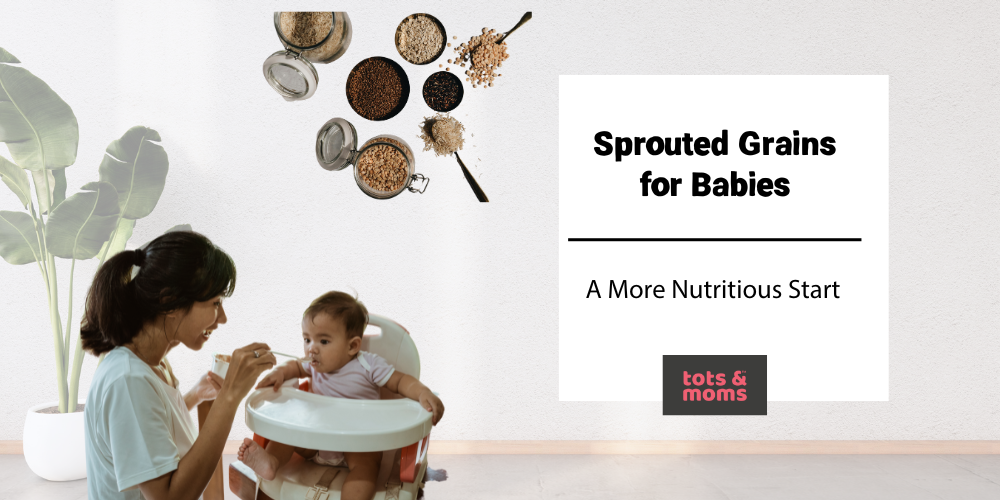
Starting solids is a major milestone for both babies and parents. As you begin exploring the best first foods for your little one, baby cereals often come at the top of the list due to their simplicity and nutritional value. But with so many options available, more and more parents are choosing baby cereals made with sprouted grains.
So, what exactly are sprouted grains? Are they truly better than regular grains? And are they safe and suitable for babies? Let’s explore everything you need to know.
Recommended Articles
Sprouted Green Gram Salad for Toddlers and Kids
Sprouted Ragi Milk Porridge for Babies & Toddlers
Sprouted Sathumavu Health Mix – Multigrain Homemade Cerelac for Babies and Toddlers
What Are Sprouted Grains?
Sprouted grains are whole grains that have been soaked in water until they begin to germinate. This natural sprouting process kickstarts enzymatic activity, which breaks down some of the starches in the grain. Once sprouted, the grains are dried and processed into flours or used whole in cereals and mixes.
Some commonly used sprouted grains in baby food include ragi (finger millet), brown rice, green gram (moong), wheat, bajra (pearl millet), barley, and maize.
How Sprouted Grains Are Different from Regular Grains
Unlike regular grains that are processed and used in their raw whole form, sprouted grains go through a gentle transformation. During sprouting, several changes occur. The levels of antinutrients like phytic acid reduce, which helps improve the absorption of essential minerals. Protein and starch structures also change, making them easier to digest. Certain vitamins, especially B vitamins and vitamin C, increase in concentration. This makes sprouted grains nutritionally superior in many ways compared to unsprouted counterparts.
Why Sprouted Grains Are Better for Babies
Babies have developing digestive systems and need foods that are easy on the stomach yet rich in nutrients. Sprouted grains are particularly suitable for this stage of life because:
- They are easier to digest. The sprouting process breaks down complex carbohydrates and proteins, making the food gentler on a baby’s digestive system.
- They enhance nutrient absorption. Sprouting reduces phytic acid, a natural compound in grains that can block the absorption of minerals like iron, zinc, and calcium. This means your baby can absorb more of the good stuff.
- They naturally increase the content of vitamins. Vitamins like folate, B2, B6, and vitamin C often increase during sprouting, supporting better energy metabolism, brain development, and immunity.
- They contain more bioavailable protein. For babies, high-quality protein is essential for growth and tissue repair. Sprouting enhances the amino acid profile of grains and legumes.
- They are a natural source of sustained energy. Sprouted grains provide complex carbohydrates that help keep babies full for longer without causing sudden spikes in blood sugar.
Sprouted Baby Cereals You Can Trust
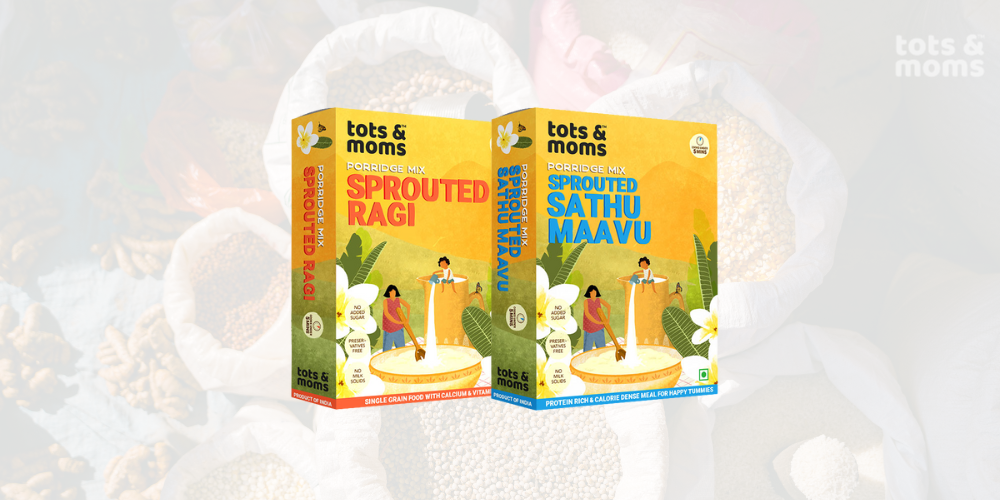
If you’re looking for baby cereals made with sprouted grains, Tots and Moms offers thoughtfully prepared options like Sprouted Ragi Powder, made from 100% sprouted finger millet, and Sprouted Sathu Maavu, a multigrain blend of sprouted ragi, jowar, green gram, black gram, chana, cowpeas, rice, wheat dalia, and dry fruits. These mixes are crafted to retain nutrition, are free from added sugar and preservatives, and are ideal for babies starting solids.
Common Questions Parents Ask
Are sprouted grains safe for babies under one year?
Yes. When made into porridges or cereals, sprouted grains are generally safe for babies above 6 months of age, especially when properly cooked and introduced slowly. It’s important to start with a single-ingredient cereal to watch for any allergies or intolerances.
Can I sprout grains at home for my baby?
It is possible to sprout grains at home, but it requires careful attention to hygiene. The grains must be cleaned, soaked, sprouted, dried, and roasted or cooked under safe conditions to avoid contamination. Many parents prefer ready-to-use options from trusted baby food brands that follow food safety protocols.
Do sprouted grains cause gas or discomfort?
In fact, sprouting tends to reduce the compounds in grains that usually cause gas. However, each baby is different. It’s always a good idea to introduce any new food gradually and observe how your baby reacts.
What are some examples of baby foods made with sprouted grains?
Popular choices include sprouted ragi porridge, sprouted multigrain mixes, sprouted wheat and dalia blends, and sprouted moong dal and rice porridges.
How do I prepare sprouted grain cereals for my baby?
Most sprouted grain cereals come as dry powders. You simply need to add hot water or cook them with breast milk or formula until you get a smooth, runny consistency. Start with a small portion and increase gradually as your baby gets used to it.
What to Look for When Buying Sprouted Grain Cereals
When choosing a baby cereal made with sprouted grains, ensure that:
- It is made with 100 percent natural ingredients.
- There are no added sugars, salts, or preservatives.
- The packaging clearly states the recommended age group.
- The brand is known for quality and safety.
The product uses traditional techniques like sprouting, slow drying, and stone grinding for better nutrition retention.
Final Thoughts
Sprouted grains are not just a healthy option — they are a smart and traditional choice backed by both science and experience. Their improved digestibility, enhanced nutritional value, and gentle nature make them ideal for babies beginning their journey with solid foods.
As a parent, you want only the best for your child. Choosing baby cereals made with sprouted grains could be a meaningful step in giving your little one a strong, healthy foundation for life.
Thanks for reading! Please leave a comment to share your thoughts and experiences. Don’t forget to follow us on Instagram, YouTube, and Pinterest for more tips, updates and offers on our products

Visit our Tots & Moms Foods for Baby, Kids & Moms products that are made with organic ingredients, free from chemicals and artificial sugars. We combine ancient wisdom with modern science to nourish the next generation. Visit our Tots & Moms Foods for Baby, Kids & Moms products that are made with organic ingredients, free from chemicals and artificial sugars. We combine ancient wisdom with modern science to nourish the next generation