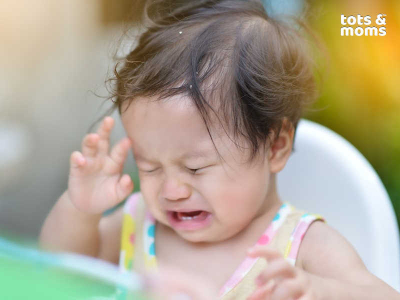
Reasons why Babies Refuse to Eat


Till a year breast milk or formula milk remains the main source of nutrition for babies, even then it is important for babies to intake adequate amount of solids for their complete nutrition care. And hence it is important to monitor their solid intake and offer them help when they refuse to eat for longer time. Also when the transition from only breast milk/formula milk to milk + solid food happens, not every baby accepts and adapts quickly.
Check the below useful links from our blog
1. Say no to fluids – Water, juice should be offered in sips in between meal only, otherwise it shall make your baby’s small tummy fuller without much nutrition. Only breast milk or formula milk should be the fluid intake majorly.
2. Force feeding / Distraction Feeding – This wouldn’t be a concern if you are following baby led weaning, as I’m sure you know what’s right. But most of us still go be force feeding even when the baby rejects certain food and by distracting them using gadgets or by telling a story. This would bring in hatred towards the food as baby shall feel disrespected. Remember even during illness, there is no need to count on the nutrition intake but ensure they take enough breast milk or formula milk, which is sufficient enough to recover and later their solid schedule can resume.
3. Prioritizing Quantity – We choose the food and we choose the bowl and it must be wiped down rule would only make the food and baby relation worse. We follow this as we want our child to eat more, become chubby or just to ensure the neighbor aunty doesn’t complain, I mean societal pressure.
4. Repeating same food daily – For three reasons this should be avoided. 1. Baby would get bored of same taste, texture and flavor, 2. Babies will not get complete nutrition with one single food, 3. Babies may get overdose of same nutrition. E.g. high in calcium if you offer ragi regularly and no fiber inclusion may cause constipation. Hence, variety is the key.
5. Addiction to Sweetened Baby Foods – Several commercial baby food brands in the market leading the industry since decades create addiction in babies with the sweetness added in it and additives. This will spoil their digestive ability, there are also chances that baby rejects other flavors and later the transition to family food becomes a challenge.
6. Poor digestion or constipation – When offered similar foods regularly, less inclusion of fiber rich foods, reduction in offering breast milk, formula milk or delay in adapting to solid foods, less activity or not letting the baby crawl / play – babies may have issues with digestion. Hence ensure to monitor and help the baby as needed.
7. Boring food routine – Most parents are honestly overloaded with work and consider feeding baby a chores than an activity. It is understandable to an extent, but let us face it – babies do not understand our stress or workload. They need to enjoy this as an activity, stay excited for every food on their plate and they will only when we offer them varieties, enjoy the food time and have food as a family, which definitely includes the baby joining us – not feeding the baby prior to sit down and eat later. Also, let them try to eat on their own when they are ready. Adding texture, introducing them to finger foods at right age is important too.
It may be a phase sometimes but if this pattern continues, baby is losing or not gaining weight, appears to be dehydrated or too weak, it is alarming and needs immediate attention. If these tips don’t improve your babies eating habits please visit the doctor.
Video: Reasons why Babies Refuse to Eat
- Video in Kannada – ಶಿಶುಗಳು ತಿನ್ನಲು ನಿರಾಕರಿಸಲು ಕಾರಣಗಳು?
- Video in Hindi – बच्चे क्यों खाते नहीं हैं?
Thank you for reading this article. For regular updates please join us on Instagram, Facebook Page, Pinterest, and our YouTube Channel. You can also join our Kannada Moms Group, Kannada Youtube Channel, Kannada Instagram. Feel free to post your queries, we would be happy to help.