MUSICAL TOUCH for Creative Development
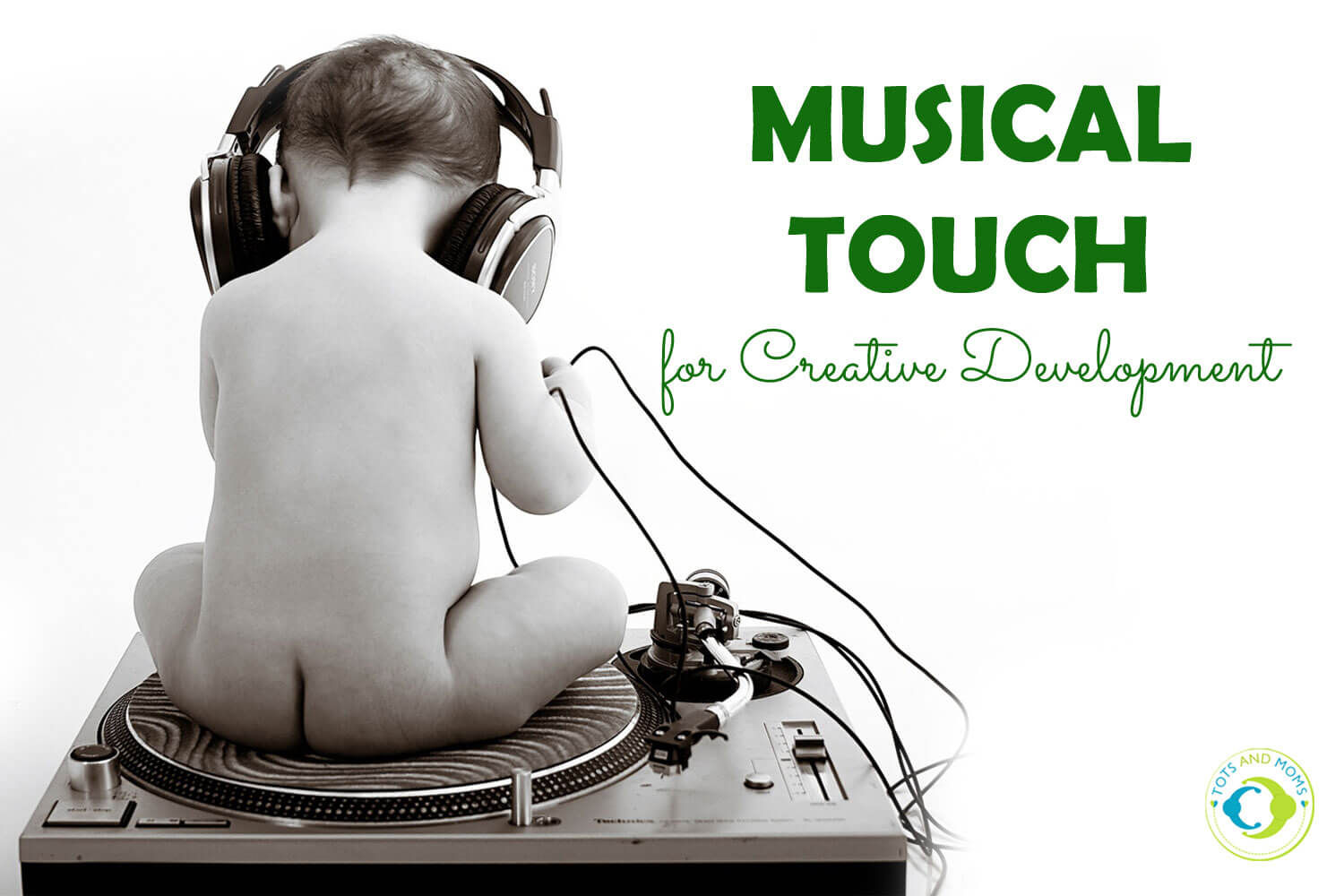
Music is a part and parcel of life, found in every culture all around the world. Music has become such a big part of our lives and plays an important role in the development and socialization of infants, babies, children, and adolescents. This triggered the researchers to study how music affects people, especially children’s mood variation aspects.
Formal music training impacts various aspects of cognitive development such as perception, memory, language skills and enhances children’s mood, growth pattern, and stabilizes concentration.
Musical effect on different ages
The impact of music on young one’s health has been tremendous for thousands of years. Digging to history the philosophers from Plato to Confucius and the Kings used musical sounds to help them soothe stress. Especially among school children, music is used to memorize ABCs like rhymes and general day-to-day activities. Research shows the fact that music benefits mood and confidence among young listeners.
With these impacts there are musical aspects are used on daily basis, like babies love lullabies during sleep and calm them down, mothers singing soothing sleeping songs regardless of their formal musical training.
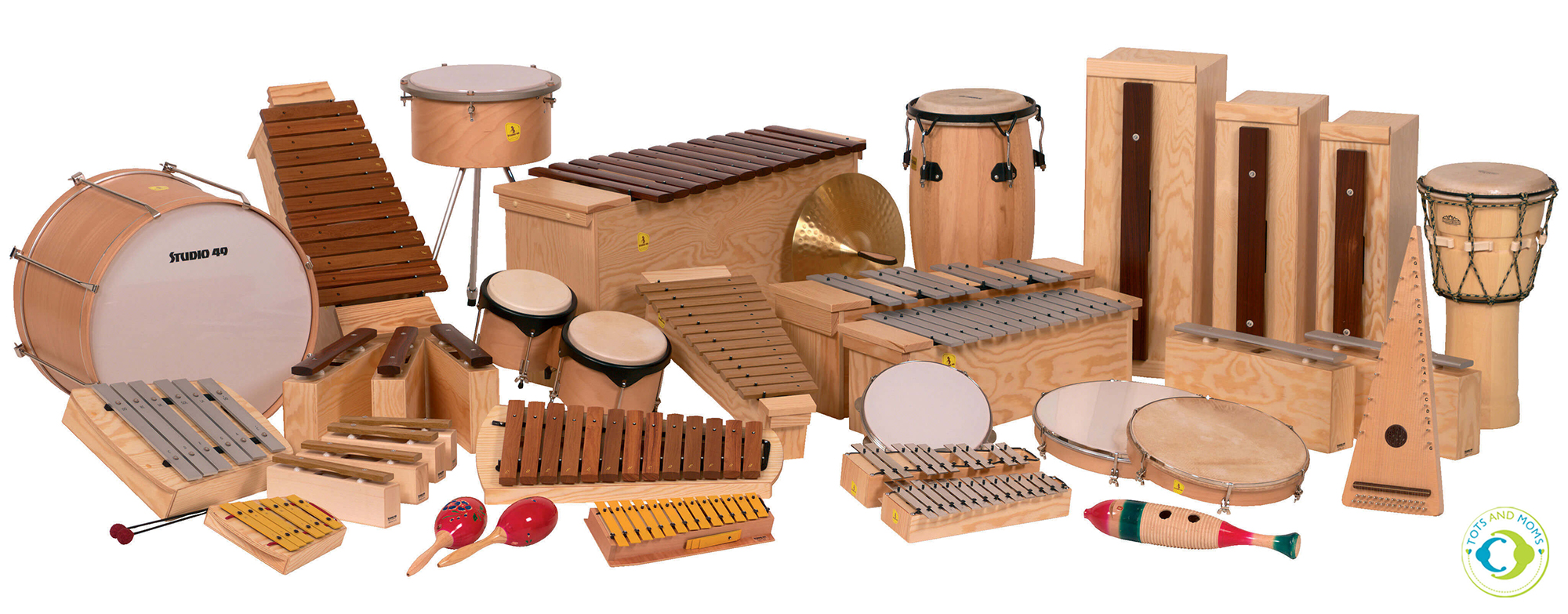
The Benefits of Music
Music elevates the intellectual, social, and emotional aspects, body and mind coordination in child development. Early exposure to music helps toddlers and kids channelize their energy constructively. Dancing to music helps in self-expression and movements. For elder children and adults, music helps in strengthening memory skills.

Music, Attention, and Learning
ABCs learned in the easier years are remembered even ages after our schooling, since it was linked with music and expressions. Research shows the combination of music with rhythm and pitch enhances learning and memory and helps in expressing a feeling
The benefits ultimately are helping children in focusing; traditionally it can be used to create attention in academic tasks such as memorizing and to enhance the interest. Research shows that instrumental baroque music is great for improving attention and reasoning in babies to toddlers to growing children.
Playing background music while studying helps the students to focus and concentrate. Music can be used to help organize activities – one kind of music for studying, another for eating, and the third kind for playtime, bedtime. Few kinds of research show that calming music can promote pro-social behavior and decrease impulsive behavior.
Music and Stress
Calming background music can significantly decrease irritability and promote calm behavior. Music, widely chosen, lowers stress hormone levels.

Playing an instrument helps a child’s growth in academic achievements
A musical instrument is great for developing brains.
Science has proven that when children learn to play music, their brains begin to hear and process sounds that they couldn’t otherwise hear, feel, or think of. This helps them in developing “neurophysiological distinction”, which can translate into improved academic results for kids.
Students who played instruments had more improved neural processing than the other children who just attended. “We like to say that ‘making music matters,’” said Kraus in one of his articles, being a mother I was completely inspired by this statement and eagerly liked to share this in the article and benefit the readers. “Because it is only through the active generation and manipulation of sound that music can rewire the brain.”
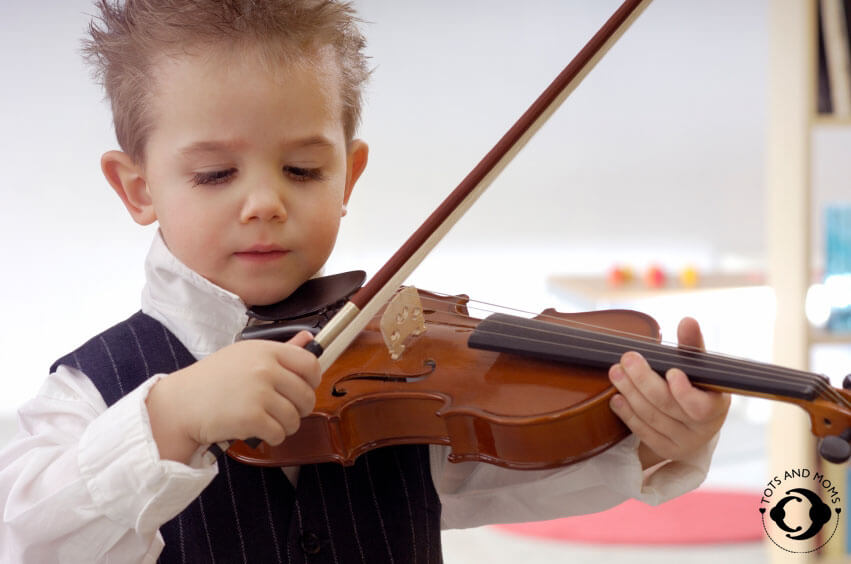
Musical Infants
Infants recognize the song tune and try to mimic sounds and sway to the music once they are physically able. Loud background music will overstimulate an infant; sing simple, short songs in high and soft voice modulation. A creative way of making up a few lines about bathing, dressing, or eating while doing these activities will help in creating.
Musical Toddlers
Toddlers love to dance and move to the music. The key to toddler music is the repetition of songs which encourages the use of words and memorization. Silly songs make them laugh.
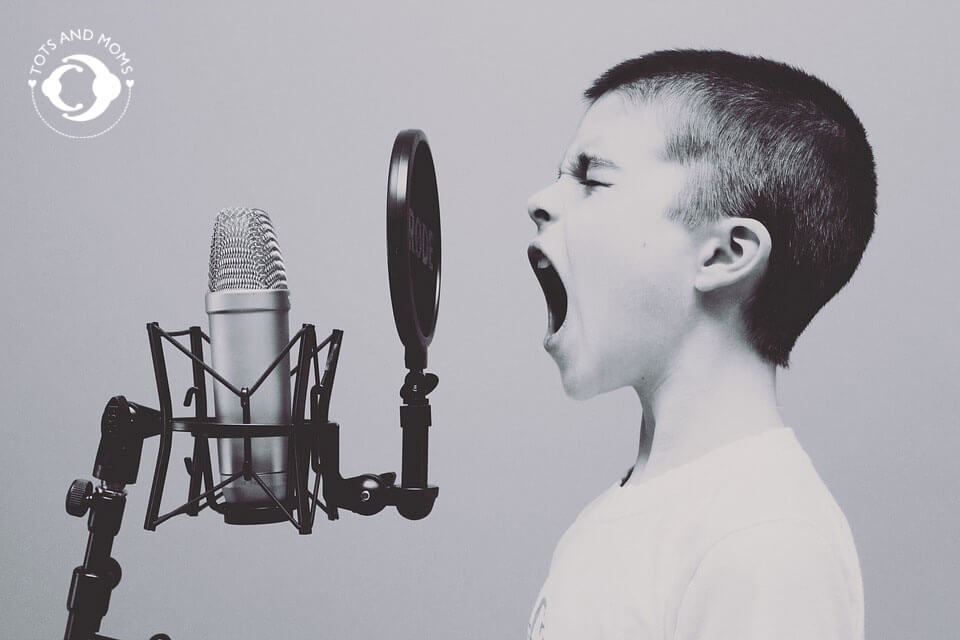
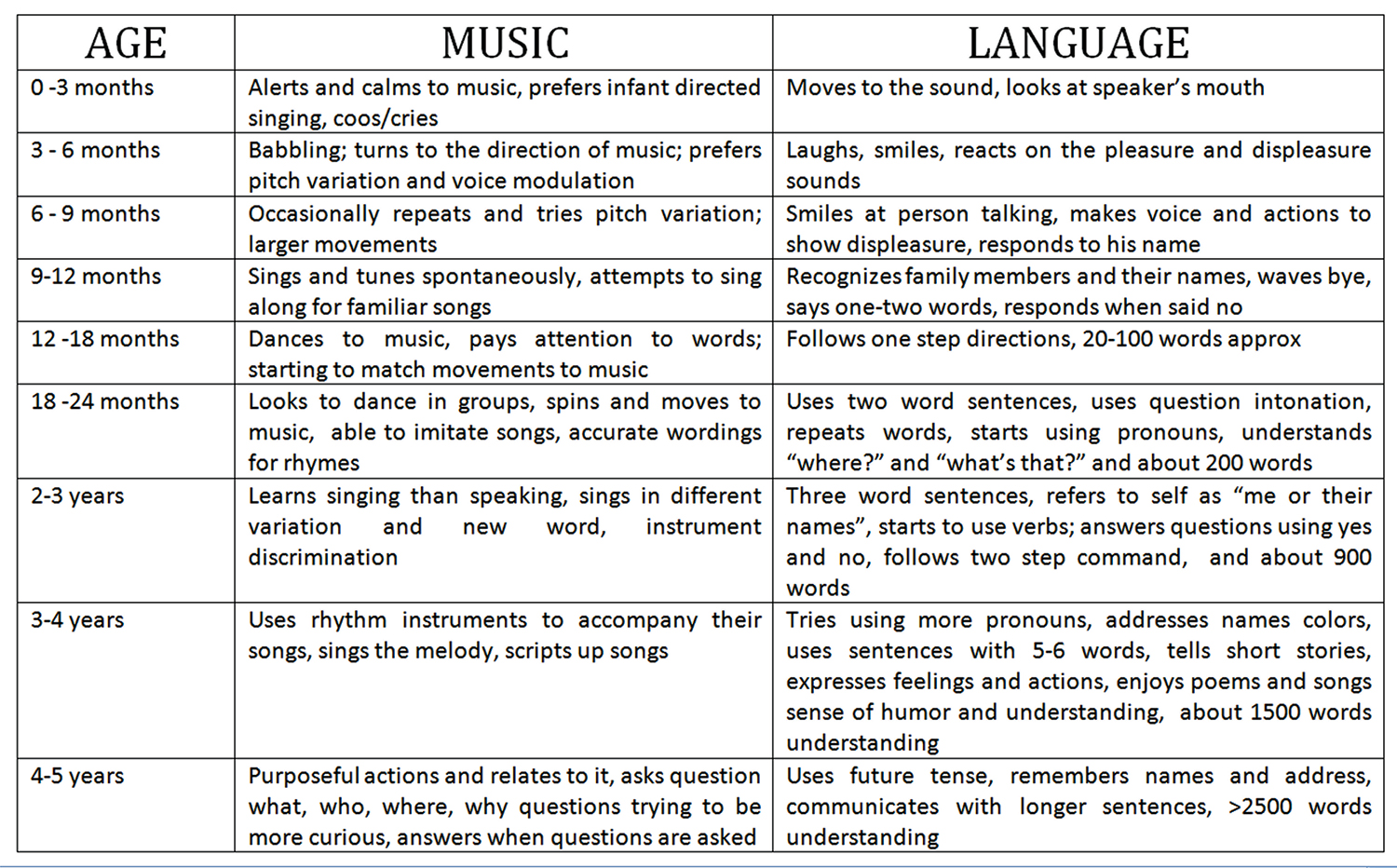
Music with Language Development On Age Factor
Music provides joy
Thank you for reading this article. For regular updates please join us on Instagram, Facebook Page, Pinterest, and our YouTube Channel. You can also join our Kannada Moms Group, Kannada Youtube Channel, Kannada Instagram. Feel free to post your queries, we would be happy to help.