Contraceptive or Birth Control Methods – IUDs – Detailed Information on IUDs

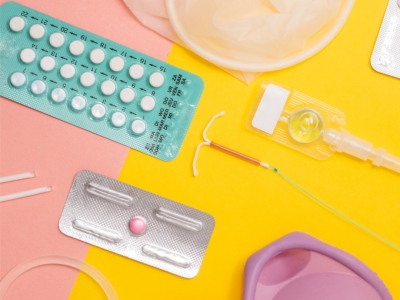
Contraceptive or Birth Control Methods – IUDs – Detailed Information on IUDs : Contraception, also known as birth control, is the practice of preventing pregnancy through various methods. Contraception methods range from natural methods, such as abstinence and withdrawal, to hormonal methods, such as the pill and the patch, to barrier methods, such as condoms and diaphragms. Each method has its own advantages and disadvantages, and it’s important to know which option is best for each individual.

Birth control, also known as contraception, is any method used to prevent pregnancy. There are many different types of birth control available, each with their own advantages and disadvantages.
Some of the most common methods are:
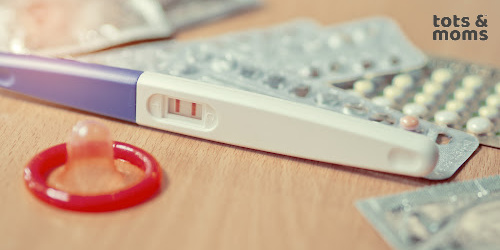
- Condoms: Condoms are a barrier method of contraception that are relatively easy to use and widely available. They are made from latex or polyurethane and can be used both during vaginal and anal intercourse.
- The Pill: The Pill is a hormonal form of birth control that is taken orally every day. It is one of the most popular and effective methods of contraception, but it does not protect against sexually transmitted infections (STIs).
- Intrauterine Devices (IUDs): An IUD is a small device that is inserted by a healthcare provider into the uterus. It works by preventing the sperm from reaching the egg. IUDs can be used for up to five to 10 years and are one of the most effective forms of contraception.
- The Patch: The birth control patch is a thin, beige patch that is worn on the skin. It is changed weekly and contains hormones that prevent pregnancy.
- The Ring: The contraceptive ring is a small, flexible ring that is inserted into the vagina. It releases hormones that prevent pregnancy and must be changed every three weeks.
- The Shot: The birth control shot, also known as Depo-Provera, is a hormone injection given by a healthcare provider every three months. It is one of the most effective forms of contraception, but it does not protect against STIs.
- Implant: The contraceptive implant is a small rod inserted into the arm by a healthcare provider. It releases hormones that prevent pregnancy and can last for up to three years.
- Diaphragm: A diaphragm is a shallow, dome-shaped cup made from latex or silicone. It is inserted into the vagina before intercourse and works by preventing the sperm from reaching the egg.
- Fertility Awareness Method (FAM): This method involves tracking the changes in the body that occur during the menstrual cycle. It can be used to identify when a woman is most fertile and can be used to avoid or plan pregnancy.
- Emergency contraception: Emergency contraception is a method of birth control that is used after unprotected intercourse to prevent pregnancy. It is not as effective as regular contraception, but can be used in an emergency.
Do check out our other articles from our blogs
- Tips to avoid Vaginal Yeast Infections
- Sex Post Delivery | Myths & Challenges
- Popular Birth Control Methods in India for Men and Women
- Reduce Belly Fat Post Pregnancy
Contraceptive or Birth Control Methods – IUDs – Detailed Information on IUDs:
What is Intrauterine Devices (IUDs) : An intrauterine device (IUD) is a type of birth control that is inserted into the uterus to prevent pregnancy. It is a small, T-shaped device made of plastic and copper, or plastic and hormones, that is inserted into the uterus by a healthcare provider. The IUD works by changing the environment of the uterus and fallopian tubes, making it difficult for sperm to reach an egg and preventing fertilization. The IUD can be used as a long-term form of birth control, lasting up to 5 to 10 years, depending on the type of device.

IUDs are effective and safe for most women, but may cause side effects such as spotting between periods and cramping during insertion. IUDs are not suitable for everyone, and those with certain medical conditions or a history of pelvic infection should not use them. It is important to speak to a healthcare provider to determine if the IUD is right for you.
IUDs are available in two types: Hormonal and Copper-containing. Hormonal IUDs release a small amount of the hormone progestin, which helps prevent pregnancy. Copper IUDs do not contain hormones and work by changing the uterus lining and creating an environment that is hostile to sperm.
What is Copper IUDs

- A copper intrauterine device (IUD) is a type of long-term birth control. It’s a small, T-shaped device made of plastic and copper. It’s inserted into the uterus to prevent pregnancy.
- The copper IUD works by releasing copper ions into the uterus, which interfere with the sperm’s ability to move and fertilize an egg. It can remain in place for up to 10 years, depending on the type of device.
- The copper IUD is a safe and effective form of birth control. It has a success rate of more than 99%, making it one of the most reliable forms of contraception available. It’s also a reversible form of birth control, meaning it can be removed at any time if a person decides they want to become pregnant.
- The copper IUD can also provide other benefits, such as reducing menstrual cramps and bleeding. It can also be used as an emergency contraceptive if it’s inserted within five days of unprotected sex.
- The copper IUD does come with some risks, though. It can cause pain, bleeding, or infection at the site of insertion. In rare cases, it can also cause an ectopic pregnancy or perforate the uterus.
- Overall, the copper IUD is a safe and effective form of birth control that can provide long-term protection against pregnancy. If you’re considering a copper IUD, it’s important to talk to your doctor about the risks and benefits to determine if it’s the right choice for you.
Risks: –
- Copper IUDs carry a risk of pelvic inflammatory disease (PID) which can lead to infertility and other complications.
- If the IUD is placed incorrectly, it can cause damage to the uterus or other organs, and must be removed surgically.
- Copper IUDs can also cause heavier and more painful menstrual periods.
Benefits: –
- Copper IUDs are a long-term, highly effective form of birth control, with a failure rate of less than 1%.
- The Copper IUD is a non-hormonal form of birth control, so it does not interfere with your hormones.
- Copper IUDs can be used as emergency contraception if inserted within 5 days of unprotected sex.
- Copper IUDs are safe to use while breastfeeding and can provide up to 10 years of protection.
- The Copper IUD can be removed at any time, and fertility will return quickly once it is removed.
What is Hormonal IUDs

- Hormonal IUDs (intrauterine devices) are a type of long-acting, reversible contraception that releases hormones to prevent pregnancy.
- Hormonal IUDs are more than 99% effective at preventing pregnancy and can remain in place for up to 5 years, depending on the type.
- Hormonal IUDs are a safe and effective form of contraception for most women.
- The hormones contained in the IUD are released in small doses, which are absorbed by the uterus and cervix.
- The hormones work to thicken the cervical mucus, making it harder for sperm to reach the egg, and they also prevent ovulation.
- Hormonal IUDs can also reduce the amount of menstrual bleeding and cramping.
- Hormonal IUDs are an easy and convenient form of contraception, as they do not require a daily pill or regular doctor’s visits.
- The insertion process for a hormonal IUD is relatively simple and only takes a few minutes.
- Hormonal IUDs are a safe and highly effective form of contraception and are recommended by the American College of Obstetricians and Gynecologists.
- Removal of the IUD is also a simple procedure and the effects are reversible, meaning that fertility returns quickly after the device is removed.
Risks:
- Hormonal IUDs increase the risk of pelvic inflammation, which can cause pain, infertility, and other health issues.
- They can cause irregular menstrual bleeding and spotting.
- They can cause a change in the cervical mucus, which may increase the risk of infection.
- There is a small risk of the IUD becoming embedded in the uterus and causing a serious infection.
- There is a very small risk of an ectopic pregnancy.
Benefits:
- Hormonal IUDs are a convenient and reliable method of birth control.
- They are highly effective at preventing pregnancy.
- They are a safe and effective method that can be used for long-term contraception.
- They do not require daily maintenance or any other user intervention.
- They can reduce menstrual cramps and heavy menstrual bleeding.
Video : Contraceptive or Birth Control Methods – IUDs – Detailed Information on IUDs :
- Video in Hindi – गर्भनिरोधक
- Video in Kannada – ಗರ್ಭನಿರೋಧಕ
Thank you for reading this article. For regular updates please join us on Instagram, Facebook Page, Pinterest, and our YouTube Channel. You can also join our Kannada Moms Group, Kannada Youtube Channel, Kannada Instagram. Feel free to post your queries, we would be happy to help.